



The Mountain Pleasure Horse - Where It All Began
The Mountain Pleasure Horse is pure Kentucky through and through - the kind of horse folks depended on before roads were paved and life was easy. Born and raised in the Appalachian hills more than 200 years ago, these sure-footed horses carried farmers to town, hauled wagons to church, and climbed rocky trails without missing a step. Long before modern gaited breeds had names, the Mountain Pleasure Horse was already setting the standard. Before fancy breed registries and DNA labs, the folks who settled the hollows and hills of Eastern Kentucky just called them "mountain horses" or "Old KY Saddlers". They didn't need a fancy name. What they needed was a horse that could climb a mountain trail before breakfast, plow a hillside garden by noon, and pull the family buggy to church come Sunday - all without breaking a sweat or losing its good nature. That horse was later called the "Mountain Pleasure Horse".
Turns out, those old-timers were sitting on something very special. A groundbreaking DNA study by Dr. Gus Cothran in the 1980s proved what mountain folk had always known - these horses are the granddaddy of every gaited breed in North America. The American Saddlebred, The Tennessee Walker, The Missouri Fox trotter, and later, the Rocky Mountain and Kentucky Mountain Horse - they all trace back to these sure-footed Old Kentucky saddlers. In 1994, Kentucky's Governor made it official, recognizing the Mountain Pleasure Horse as the foundation stock of all North American gaited breeds.
With roots reaching back over 200 years to Kentucky's earliest days of statehood - and likely descending from the now-extinct Narragansett Pacer, the Irish Hobby and the Scottish Galloway - this is the oldest gaited breed on the North American continent. Unfortunately, today, there are only around 1,500 of them left on the planet, making them a critically endangered breed included with both the Equus Survival Trust and the Livestock Conservancy.
The Mountain Pleasure Horse Association exists today to keep this heritage alive. We register Mountain Pleasure Horses to protect the breed, not to market horses. With less than 1,500 left worldwide, preserving the bloodlines comes first and every foal matters.
The Disposition - A Horse That Actually Likes You
Here's what may surprise you about a Mountain Pleasure Horse: they want to be with you. These aren't flighty, spooky horses that need months or years of ground work before you can saddle them up. They're smart - genuinely smart- and they love attention. They'll happily leave a herd of horses to hang out with their humans. Veteran trainers who have spent decades working with other breeds will tell you they've never seen a horse learn this fast. It's not unusual to see a two or three-year-old Mountain Pleasure holding its own against seasoned horses at a show or keeping its cool on a gnarly mountain trail that would rattle much older, "broke" horses.
And here's the thing that really sets them apart: they remember. Train a Mountain Pleasure Horse something once, and it sticks. Ride once a week or once a month - when you step into that stirrup, your horse is right where you left off, ready to go, happy to see you. For a first-time horse owner, there's nothing better. For a lifelong horseman, there's nothing finer.
Easygoing. Smart. Willing. These horses learn fast, remember their lessons, and stay gentle with riders of all experience levels. They are the kind of horse that makes people enjoy riding again.
The Gait - The Cadillac of Rides
Now, let's talk about that gait - because this is where the Mountain Pleasure Horse really shines. The Mountain Pleasure Horse is famous for its natural four-beat gait - smooth, steady, and easy on both horse and rider. Folks call it the "Cadillac of rides" and anyone who's sat in the saddle knows why. This gait isn't trained in. It isn't forced. It's born in. Generations of careful breeding in those steep Appalachian hills produced a horse that gaits as naturally as it breathes.
The Mountain Pleasure Horse association doesn't allow action devices, artificial aids, or harsh training methods - period. Many of the old timers called the horses "daisy clippers" due to the low front end lift and steady pace without the horse becoming nervous or hot. In modern times, the MPH gait is best known as a "saddle rack" without excessive speed or front end lift, which makes them capable of traveling for miles with comfort to both them and their rider.
A Horse For Everything - But Built For The Trail
But don't let that smooth ride trick you into thinking these are one-trick ponies. Mountain Pleasure Horses show up everywhere - drill teams, competitive obstacle courses, barrel racing, cattle penning, liberty, dressage arenas and even extreme cowboy races. A Mountain Pleasure Drill Team, Rockin R Rhythm Riders, perform nationwide, and these horses regularily turn heads at events like the Kentucky Horse Park and Breyerfest.
But if you really want to see a Mountain Pleasure Horse in its element, take one on a trail. Not a flat, groomed park trail - a real Appalachian trail with loose rock, steep switchbacks, creek crossings, and drop-offs that make your stomach flip. That's what these horses were built for over two centuries of mountain living. Sure-footed as a cat, calm as a Sunday morning, and strong enough to carry you all day without complaint.
Whether you're eight years old or eighty, whether it's your first horse or your fortieth, the Mountain Pleasure Horse has a way of making you feel like you've been riding your whole life. Their easy gait, willing heart, and steady temperament make them the perfect partner for both the young and the young at heart.
Their Story Runs Deep
The Mountain Pleasure Horse's story is the story of Appalachia itself - of hard-working families who depended on their horses not just for work, but for survival. Farmers, teachers, doctors, frontier nurses, mail carriers, and civil war soldiers all relied on these Old KY saddlers for their stamina, their common sense, and their willingness to give everything they had.
These horses were shaped by the land - bred to survive on limited forage, tough enough to handle rocky terrain, and gaited smooth enough that a country doctor could ride 30 miles of mountain trails and still have steady hands when he arrived.
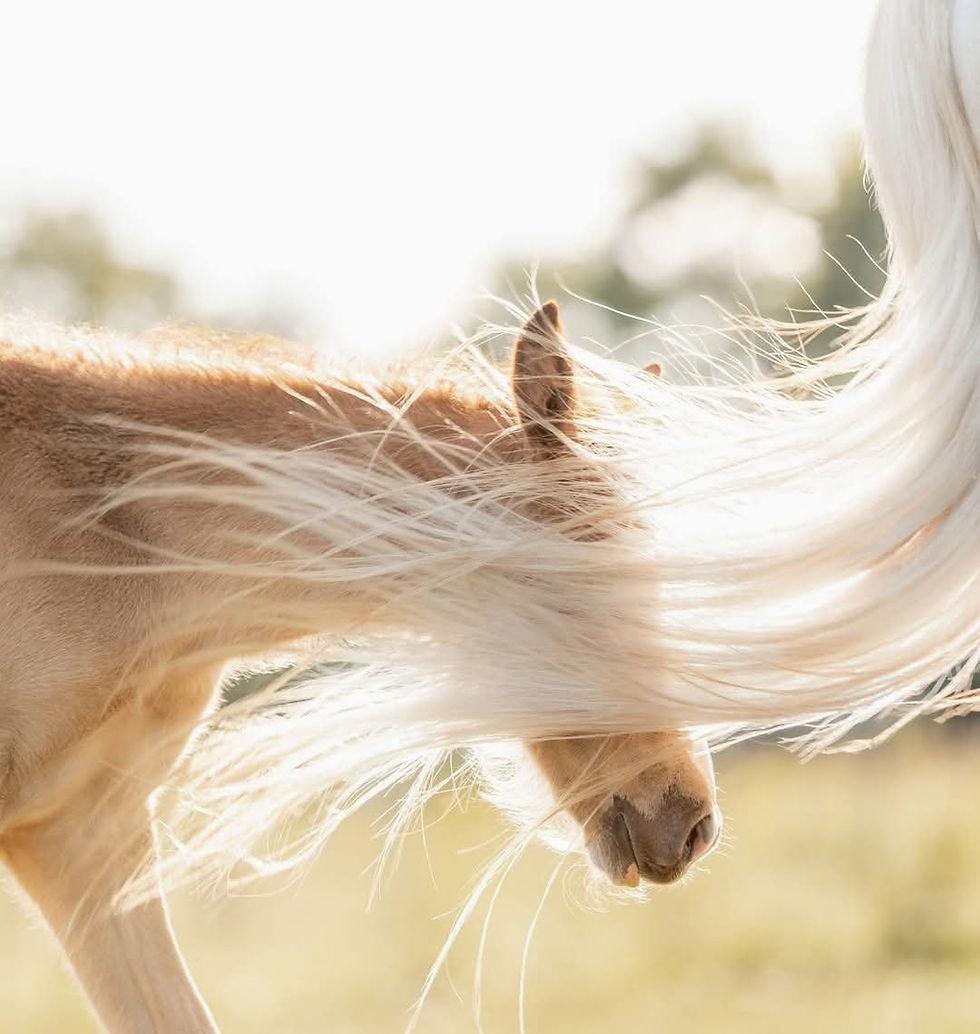
The signature color is palomino - that golden coat gleaming in the mountain sun - followed by the striking chestnuts, many with impressive "chrome". Blacks, bays, buckskins, cremello and perlinos are becoming rare enough that some dedicated breeders are working to bring these colors back before they're lost forever.
A glimpse into this remarkable breed can be found in the coffee table book, Fading Hoofprints (Equine Legacy Project) - filled with rich stories and stunning photographs that celebrate a breed whose hoofbeats have echoed through the Appalachian mountains for over two hundred years.
Today's Situation - How Can I Help?
Only about 1,500 purebred MPH remain, most of them still in Kentucky. Their numbers are critical, so we're working hard to keep the breed thriving through responsible breeding, education, and community events like the Kentucky Horse Park showcase and our traveling drill team.
The MPHA is currently asking folks to please help by making sure all purebred animals are DNA tested and registered with the MPHA. Thanks to generous grants from the Equus Survival Trust, the cost for this is minimal. Transferring ownership, gelding and deceased records are also important to be able to track and keep records of rare bloodlines. There are forms here on the website, or you can always call a board member and we will be happy to help. Together we can prevent the extinction of this wonderful heritage breed and allow future generations to enjoy the same wonderful horses as our ancestors.


